
Canadian immigration applications face increasing financial scrutiny from Immigration, Refugees and Citizenship Canada (IRCC).
Many applicants with sufficient funds still receive procedural fairness letters or outright refusals due to proof of funds issues.
This detailed guide explains exactly why proof of funds rejections happen and provides clear, actionable strategies to strengthen financial documentation for successful applications.
In this article, I will provide clear, practical guidance based on current IRCC practices to help you avoid common proof of funds rejections.
What is Proof of Funds?
Proof of funds (POF) demonstrates that an applicant has enough money to support themselves and any accompanying family members upon arrival in Canada.
IRCC requires this to ensure newcomers will not rely on social assistance. The funds must be available, liquid, and unencumbered, meaning the money should be readily accessible without loans or obligations that could create future financial strain.
IRCC evaluates not just the current balance but the source, history, and legitimacy of the funds. Officers look for consistency between bank statements, supporting documents, and the overall application narrative.
Who Needs Proof of Funds and Who Does Not?
Most economic immigration pathways require strong proof of funds. This includes:
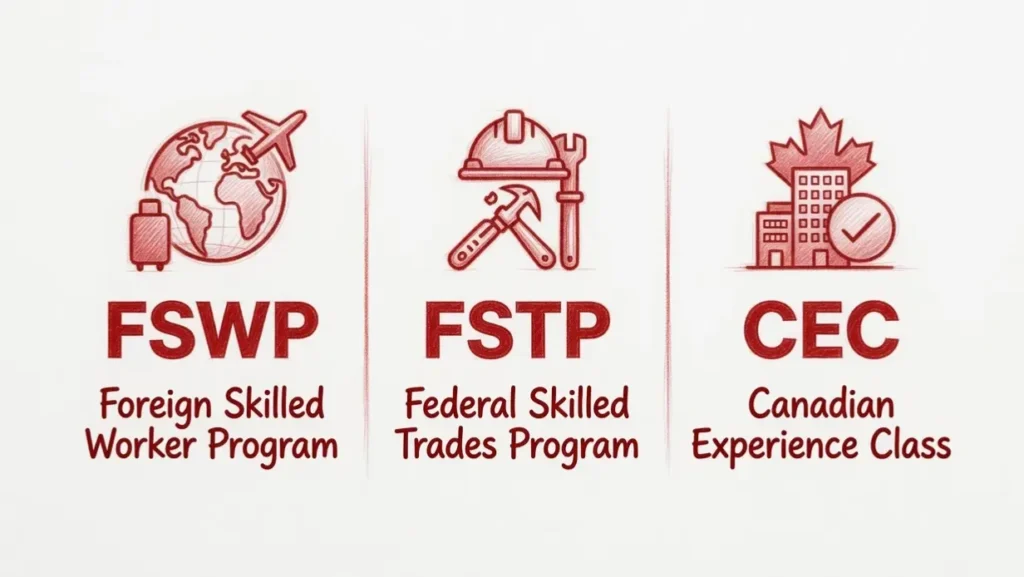
- Express Entry (Federal Skilled Worker, Federal Skilled Trades, Canadian Experience Class)
- Provincial Nominee Programs (PNP)
- Atlantic Immigration Program
- Rural and Northern Immigration Pilot
- Many study permit applications (especially for applicants from certain countries)
Applicants who generally do not need to show proof of funds include:
- Canadian Experience Class applicants with a valid job offer
- Spouses or dependents in family sponsorship
- Certain temporary worker programs with employer support
- Refugee claimants
Even when not strictly required, submitting solid financial proof can strengthen an application by showing overall preparedness.
How Much Money is Required for Canada in 2026?

IRCC updates settlement fund requirements annually based on the Low Income Cut-Off (LICO). Here are the current minimum amounts:
| Number of Family Members | Minimum Funds Required (CAD) |
|---|---|
| 1 | $14,690 |
| 2 | $18,288 |
| 3 | $22,483 |
| 4 | $27,297 |
| 5 | $30,980 |
| 6 | $34,663 |
| 7 or more | Add $3,684 per additional member |
These figures apply to Express Entry and similar programs. Applicants should maintain at least 10-15% above the minimum to account for currency fluctuations and potential updates during processing.
Read More: Financial Requirements
What Canada Accepts as Proof of Funds
IRCC accepts several forms of liquid assets, provided they come with proper documentation:
- Personal bank statements (savings and current accounts)
- Fixed deposits with easy withdrawal options
- Mutual funds, stocks, and bonds (with recent statements and sale proofs)
- Provident funds or retirement accounts accessible without penalty
- Proceeds from legitimate asset sales (property, vehicles, gold)
Now, let’s examine why even applicants with adequate funds face rejections and how to address the most common issues.
1. The Rising Strictness of IRCC Financial Scrutiny

IRCC officers have become more thorough in examining financial documents. Applications that once passed with basic bank statements now trigger detailed reviews.
Officers cross-check account history, deposit patterns, and source of funds against the applicant’s employment and tax records.
This heightened scrutiny aims to prevent misrepresentation but creates challenges for genuine applicants who fail to present their finances clearly.
2. Why Simply Showing a High Bank Balance Leads to Rejection
A high balance alone is rarely enough. Officers look beyond the number to verify authenticity.
The Core Premise: Available, Liquid, and Unencumbered Cash Requirements
Funds must be immediately accessible. Any restrictions such as locked accounts, pending loans, or third-party claims, raise red flags.
Officers prefer savings and checking accounts that show consistent activity over time.
Borrowed Capital vs. Self-Owned Savings: The Red Flag Mechanics
Borrowed money, gifts received shortly before application, or sudden large credits often lead to rejection.
IRCC distinguishes between genuine savings built over time and funds arranged temporarily for the application.
Large deposits without clear, documented origins frequently result in procedural fairness letters questioning the legitimacy of the funds.
3. The 6-Month Average Balance Trap Exploded
Bank statements covering the past six months are standard. Officers compare the current balance against the historical average.
How Visa Officers Spot Sudden Account Inflation and Large Deposits
A sudden spike in balance, especially near the application date, triggers suspicion. Officers examine transaction history for patterns like multiple transfers from unknown sources or round-figure deposits that don’t align with salary credits.
The Dangerous Discrepancy Between Current Balance and Average History
An account showing ₹5 lakh average balance suddenly jumping to ₹25 lakh raises questions. Applicants must explain such changes with supporting evidence, such as sale of assets or legitimate bonuses.
4. The Exact Audit Trail Needed for Lump Sum Deposits
Every large deposit requires a complete paper trail.
Documenting Asset Liquidations: Mutual Funds, Stocks, and Gold Redemptions
Provide redemption statements, sale confirmations, and bank transfer records linking the asset sale directly to the account. Include tax documents showing legitimate transactions.
Real Estate Disposals: Linking Sale Agreements Directly to Bank Ledger Inputs
Submit registered sale deeds, buyer payment proofs, and bank statements showing the credit. The timeline must align perfectly, any gap invites scrutiny.
Read More: Proof of funds required after ITA
Corporate Payouts: Verifying Employee Bonuses and Gratuity Transfers
Include offer letters, company HR letters, tax deduction certificates, and bank credits. Officers verify that these are standard company practices, not one-off arrangements.
5. Why Your Gift Deed Might Still Be Rejected
Gifts from family members are acceptable but heavily scrutinized.
The Bloodline Restriction: Why Friend and Cousin Gift Deeds Fail IRCC Audits
IRCC prefers gifts from close blood relatives (parents, siblings, spouse). Gifts from friends or distant relatives require stronger justification and often face higher rejection rates.
The Fatal Clause Mistake: Omitting the “Non-Repayable” Legal Declaration
The gift deed must explicitly state the amount is a non-repayable gift with no expectation of return. Missing this language leads to automatic concerns about disguised loans.
Proving the Donor’s Capacity: Why You Must Attach the Giver’s Bank Trail
Include the donor’s bank statements, income tax returns, and employment proof showing they can afford the gift without financial hardship.
6. Illiquid Asset Rejections: What IRCC Absolutely Refuses to Accept
Certain assets do not qualify as proof of funds.
Property Valuations and Land Equity: Why Real Estate Valuation Reports Are Rejected
IRCC does not accept property valuations or equity calculations. Only actual sale proceeds deposited in a bank count.
Fixed Deposits (FD) Gaps: Rejection Triggers for FDs Lacking Direct Demand Withdrawal
FDs must allow easy premature withdrawal without significant penalties. Long-term locked deposits raise accessibility concerns.
Cryptocurrency, Employee Provident Funds (EPF), and Shared Joint Accounts
Cryptocurrency statements are rarely accepted due to volatility. EPF withdrawals have restrictions. Joint accounts require clear ownership proof and may complicate matters if the joint holder is not accompanying the applicant.
7. The Currency Fluctuations and Mid-Process Threshold Updates
Exchange rates and requirement changes can affect applications.
The Devaluation Risk: Why You Need a 10% Financial Buffer Above the Base Threshold
Currency fluctuations can push an application below the threshold during processing. A 10-15% buffer provides safety.
Handling Mid-Queue Annual POF Table Increases Automatically
When IRCC updates requirements, pending applications may need updated proof. Proactive monitoring and supplementary submissions help avoid issues.
8. The Mandatory “Bank Explanation Letter” Architecture
A well-drafted bank letter strengthens the application significantly.
The Checklist: Free of Debt Declarations, Branch Details, and Structural Layouts
The letter should include:
- Account holder’s full name and relationship to applicant
- Account number and type
- Current balance and 6-month average
- Confirmation that funds are unencumbered and free of any loans
- Bank stamp, signature, and contact details
How to Proceed If Your Local Bank Refuses to Issue the Strict IRCC Format Letter
Request a customized letter on bank letterhead. If refused, obtain a standard statement and supplement it with a detailed Letter of Explanation (LoE) covering all gaps.
9. Step-by-Step Recovery: What to Do After Getting a POF Procedural Fairness Letter (PFL)
A PFL is not a final refusal, it is an opportunity to respond.
Decoding the PFL: Identifying the Exact Concern of the Officer
Read the letter carefully to pinpoint specific doubts (e.g., source of funds, accessibility, or sudden deposits).
Constructing a Comprehensive Letter of Explanation (LoE) for Financial Integrity
The LoE should:
- Directly address each concern raised
- Include all supporting documents with clear references
- Maintain a professional, factual tone
- Provide a consistent narrative tying everything together
Include updated bank statements, source documents, and any additional explanations. Submit within the given deadline, usually 30 days.
Key Takeaways for Strong Proof of Funds
- Start preparing documents early and maintain consistent account activity.
- Document every large transaction thoroughly.
- Use clear, verifiable sources of funds.
- Include a detailed Letter of Explanation even if not asked.
- Keep funds above the minimum threshold with a safety buffer.
Strong financial documentation demonstrates not only capability but also honesty and preparedness, qualities IRCC values highly.
FAQs
1. Can I use a loan as proof of funds for Canada?
No. IRCC does not accept borrowed money or loans as proof of funds. The funds must be your own or genuine non-repayable gifts.
2. How recent should my bank statements be for IRCC?
Bank statements should cover at least the last 6 months. Some officers request statements up to the date of application submission.
3. Is a gift from a friend acceptable as proof of funds?
Gifts from friends are possible but heavily scrutinized. Gifts from immediate family members have a much higher success rate.
4. What happens if my balance drops after submission?
Significant drops without explanation can lead to refusal. Maintain the required balance until a decision is made.
5. Can fixed deposits be used as proof of funds?
Yes, but only if they can be withdrawn without major restrictions. Include clear terms and conditions showing accessibility.
6. How do I respond to a Procedural Fairness Letter regarding funds?
Submit a detailed Letter of Explanation addressing every point raised, along with all supporting documents, within the deadline provided.
About The Author