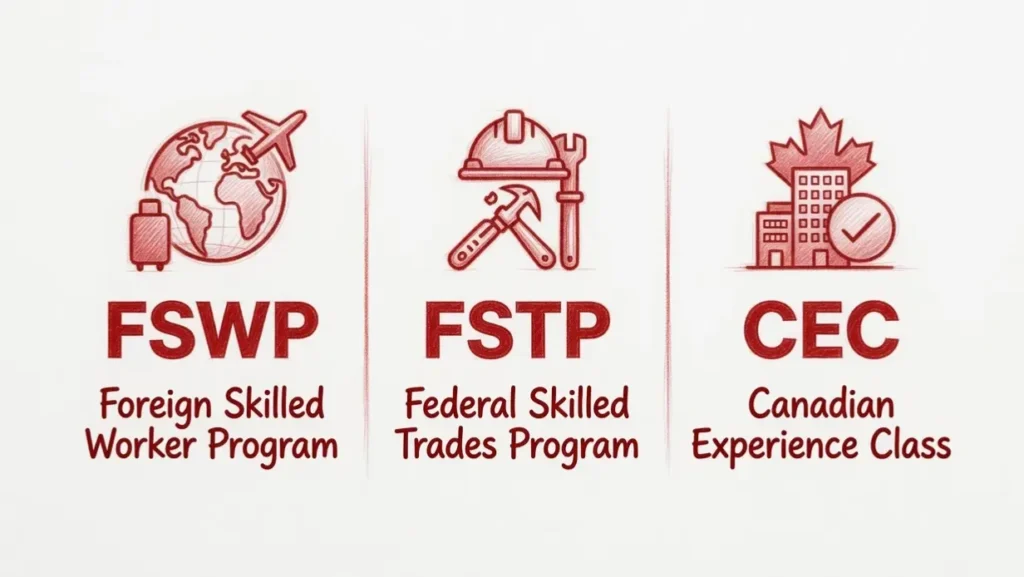


As we approach the end of May 2026, many Express Entry candidates are eagerly waiting for the next draw.
After the Canadian Experience Class (CEC) draw on May 27 that invited 3,000 candidates at a CRS cut-off of 518, speculation is high about when IRCC will hold the next round and what type it will be.
In my ongoing tracking of Express Entry patterns throughout 2026, I’ve noticed clear cycles and shifts in IRCC’s strategy that allow for educated predictions.
Check: historical draw data
This article breaks down the most likely scenarios for the next draw, factors influencing it, and actionable advice to strengthen your profile.
Current Express Entry Landscape in Late May 2026
IRCC has been alternating between category-based draws and program-specific ones to manage the 2026 immigration levels plan.
So far this year, they have issued over 78,000 Invitations to Apply (ITAs), with a strong emphasis on candidates already in Canada.
The recent four-week gap before the May 27 CEC draw suggests IRCC is being more strategic with invitations rather than holding weekly draws. This pause-and-release pattern has become more common in 2026.
My Prediction for the Next Express Entry Draw
Most Likely Date: June 5 or June 10, 2026
Most Probable Draw Type: Provincial Nominee Program (PNP) or French-language proficiency category draw
Predicted CRS Cut-off Range:
- PNP Draw: 780 – 820
- French Category: 390 – 430
- General or CEC Draw: 505 – 525
When I analyzed the gaps between draws this year, I found that IRCC typically waits 7–14 days after a major CEC draw before conducting the next one, often favoring PNP or category-based invitations to balance the pool.
Why a PNP Draw is Highly Likely Next
Provinces continue to nominate candidates aggressively through enhanced streams.
With many provinces still having nomination allocations left for 2026, a PNP-specific draw makes strategic sense.
These draws usually have very high CRS scores because of the 600-point nomination boost.
A French-language category draw is also possible, as IRCC has been prioritizing bilingual candidates consistently this year to support francophone immigration targets.
Factors That Will Influence the Next Draw
Several key elements are shaping IRCC’s decisions right now:
- Remaining 2026 Quota: IRCC still has room to issue more invitations before hitting annual targets.
- Pool Composition: The number of high-scoring profiles (especially 500+) currently in the pool.
- Labor Market Needs: Priority for healthcare, trades, STEM, and francophone candidates.
- Processing Capacity: IRCC avoids flooding the system with too many applications at once.
Based on my review of historical data from 2025–2026, when IRCC issues a CEC draw, they often follow up with PNP or category draws to maintain balance.
How to Prepare for the Next Draw
Here’s what I recommend candidates do in the coming days:
- Update Your Profile Immediately: Ensure all information is current, especially work experience and language results.
- Consider a Provincial Nominee Program: If eligible, apply to provinces like Ontario, British Columbia, Alberta, or Manitoba for a potential 600-point boost.
- Improve Your CRS Score: Focus on:
- Retaking language tests for higher CLB levels
- Getting an Educational Credential Assessment (ECA) if not done
- Gaining more Canadian work experience
- Monitor Your Email: ITAs come via the Express Entry account, so check spam folders regularly.
Express Entry Draw Trends 2026 So Far
| Month | Total ITAs Issued | Average CRS (CEC) | Notable Trend |
|---|---|---|---|
| January | 18,500 | 512 | High volume start |
| February | 14,200 | 509 | More category draws |
| March | 16,800 | 515 | French priority increased |
| April | 13,900 | 507 | Stable CEC scores |
| May (so far) | 15,200 | 518 | Longer gaps between draws |
In my experience monitoring these numbers monthly, 2026 has seen slightly higher CEC cut-offs compared to 2025, reflecting a more competitive pool of domestic candidates.
Who Has the Best Chance in the Next Draw?
Strongest Candidates Right Now:
- PNP-eligible profiles (especially with job offers)
- French-speaking candidates (even moderate CLB 5–7)
- Candidates with 1+ year Canadian skilled work experience
- Those with CRS scores above 510 (for general/CEC)
Challenging Profiles:
- Scores below 490 with no Canadian experience
- Candidates without recent language test results
- Those relying only on foreign work experience
Strategic Advice from My Analysis
If your CRS score is close to 518, the next few weeks are critical. Many candidates improved their scores by 20–50 points through small actions like better language results or securing a provincial nomination.
When I looked at profiles that succeeded in recent CEC draws, the common factor was strong Canadian work history combined with valid language proof less than one year old.
I also recommend setting up alerts on official IRCC pages and reputable immigration news sources to stay updated in real time.
Long-term Outlook for Express Entry in 2026
IRCC is expected to maintain a steady pace of draws through the summer, with potential increases in invitations during Q3 and Q4 to meet annual targets. The focus on in-Canada candidates is likely to continue, making the TR-to-PR pathways and CEC stream even more important.
Candidates who stay patient, keep their profiles updated, and work on improving their CRS score will have multiple opportunities before the end of the year.
Final Thoughts
The next Express Entry draw is likely to happen within the next 7–14 days, with PNP or French-category draws being the strongest possibilities.
While exact dates and scores are impossible to predict with 100% certainty, understanding current patterns gives you a clear advantage.
In my view, the best approach in 2026 is consistent preparation rather than waiting for the perfect draw. Keep building your profile strength, and the right invitation will come.
Stay focused and proactive, the Express Entry system continues to reward well-prepared candidates with Canadian connections and in-demand skills.
Sources:
- IRCC Official Express Entry Rounds of Invitations
- Government of Canada Immigration Levels Plan 2026–2028
- CIC News Express Entry Reports 2026
- Statistics Canada Labour Market Data 2026
About The Author